

In Montessori education for children ages 0–6 years old, learning is not confined to a classroom. It unfolds naturally in kitchens, gardens, bedrooms, sidewalks, and living rooms. The home is a child’s first environment—and its influence is profound. When we thoughtfully prepare the home with intention, children grow into capable, confident, and contributing members of their families from the very beginning.
“When a better environment can be offered to our children, we are sure of helping their personal richness and of providing the most favorable developmental situation.”
— Dr. Silvana Quattrocchi Montanaro
At the heart of Montessori philosophy is a simple but powerful plea from the child: “Help me to help myself.”
Children learn best through movement, hands-on experience, and meaningful participation in real life. Rather than directing every action, the adult prepares the environment carefully and then steps back. As Maria Montessori wrote in Manual of Scientific Pedagogy, “The preparation of the environment and of objects in the environment is the first external act of a deeper transformation which consists in leaving the child free to act according to their natural tendencies.”
Freedom in Montessori does not mean permissiveness. It means freedom within structure—clear boundaries, consistent routines, and orderly spaces that allow the child to act independently and with confidence. When a child is deeply engaged, we remember Montessori’s guidance: “Never interrupt a child who is absorbed in an activity.” And equally important: “Never help a child with a task at which they feel they can succeed.” These principles require restraint, patience, and trust.
The Child from 0–3: The Unconscious Creator
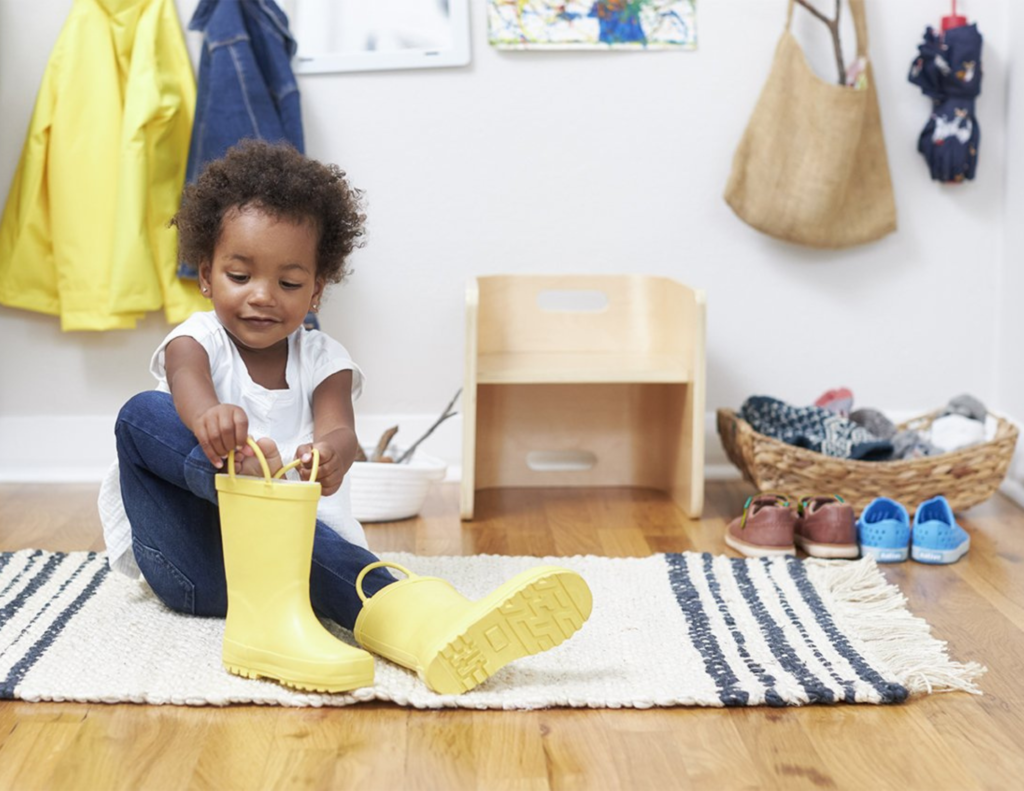
The first three years of life are a period of astonishing growth. During this time, the child constructs themselves through what Montessori described as the absorbent mind. From birth, the infant is driven toward independence. Movement begins as small, seemingly insignificant motions, yet each effort builds coordination and awareness. When infants are given safe space to move freely—rather than being confined for long periods—they develop strength, balance, and confidence.
For children 0–3, the environment should prioritize freedom of movement, order, and simplicity. A low sleeping surface, accessible toys displayed on open shelves, and calm, consistent caregiving support development. As mobility increases, so does the desire to participate. A young toddler wants to carry the spoon, wipe the table, push the laundry basket, and pour the water. These efforts are not distractions from learning—they are the work of development itself.
During this stage, adults serve as careful observers and gentle guides. Communication often comes through movement and repetition rather than complex language. What may look like “doing it again and again” is the child refining coordination and building neural pathways. Our responsibility is to prepare the space, demonstrate slowly and clearly, and then allow practice without unnecessary interruption.
The Child from 3–6: The Conscious Worker
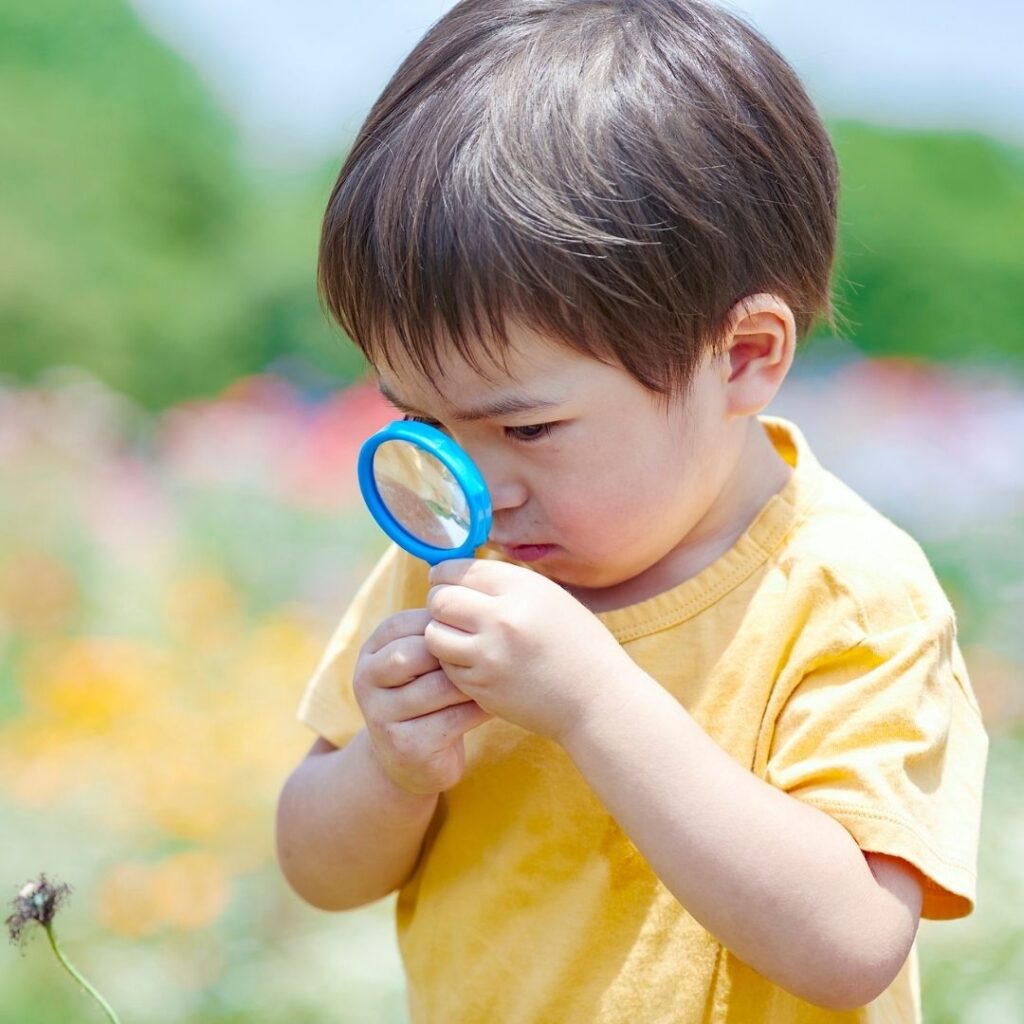
Between ages three and six, the child enters a new phase of development. Independence is no longer just physical—it becomes social, intellectual, and moral. The child now acts with intention and seeks to understand the world more consciously. Imagination expands, language flourishes, and a deep sense of order continues to guide behavior.
In the home, children in this age range thrive when they are entrusted with real responsibility. They can dress themselves, prepare simple snacks, care for plants, sweep floors, set tables, and contribute meaningfully to family life. When materials are accessible and routines predictable, children develop executive functioning skills alongside confidence. External order continues to support internal clarity.
The prepared environment for 3–6 year olds should include child-sized tools that are real and functional—small pitchers for pouring, child-height hooks for clothing, reachable shelves for art materials, and defined spaces for work and rest. Beauty and simplicity remain essential. Soft light, natural materials, and orderly surroundings support concentration and calm.
The Prepared Environment: Human and Physical
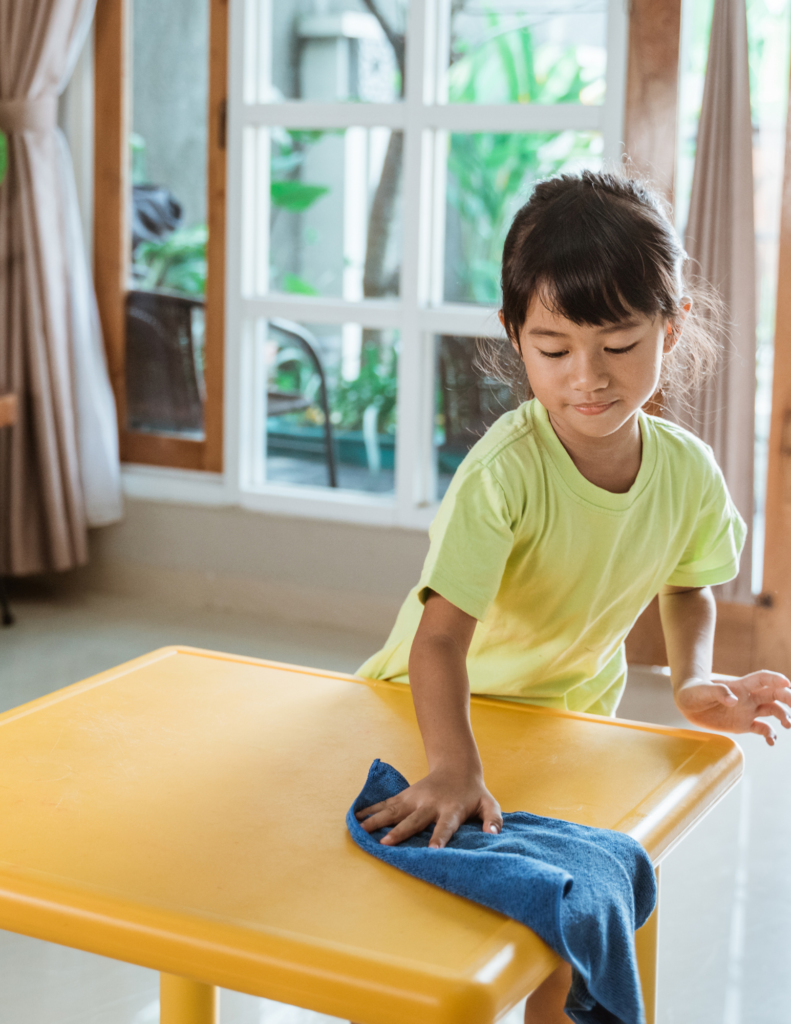
A Montessori home environment has two essential components: the human environment and the physical environment.
The human environment is formed by the adults. Children need caregivers who are calm, consistent, respectful, and genuinely interested in them. Through daily interactions, they learn how relationships function. They absorb tone of voice, emotional regulation, and patterns of communication. Consistency in expectations and presence builds deep security.
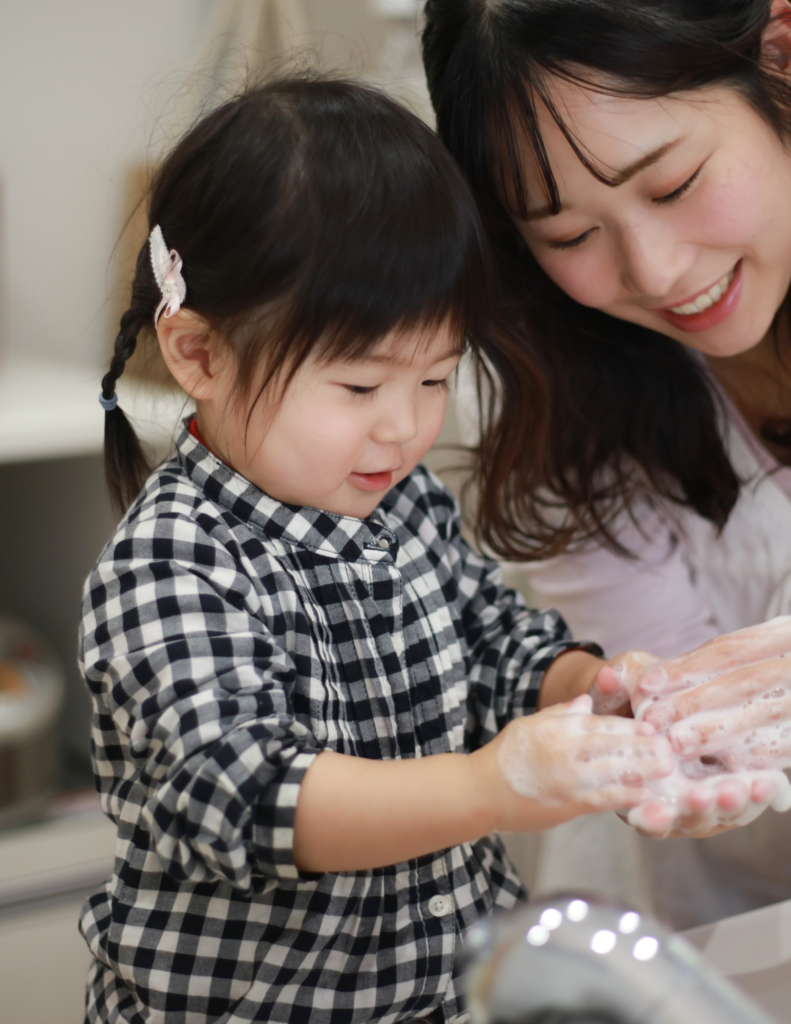
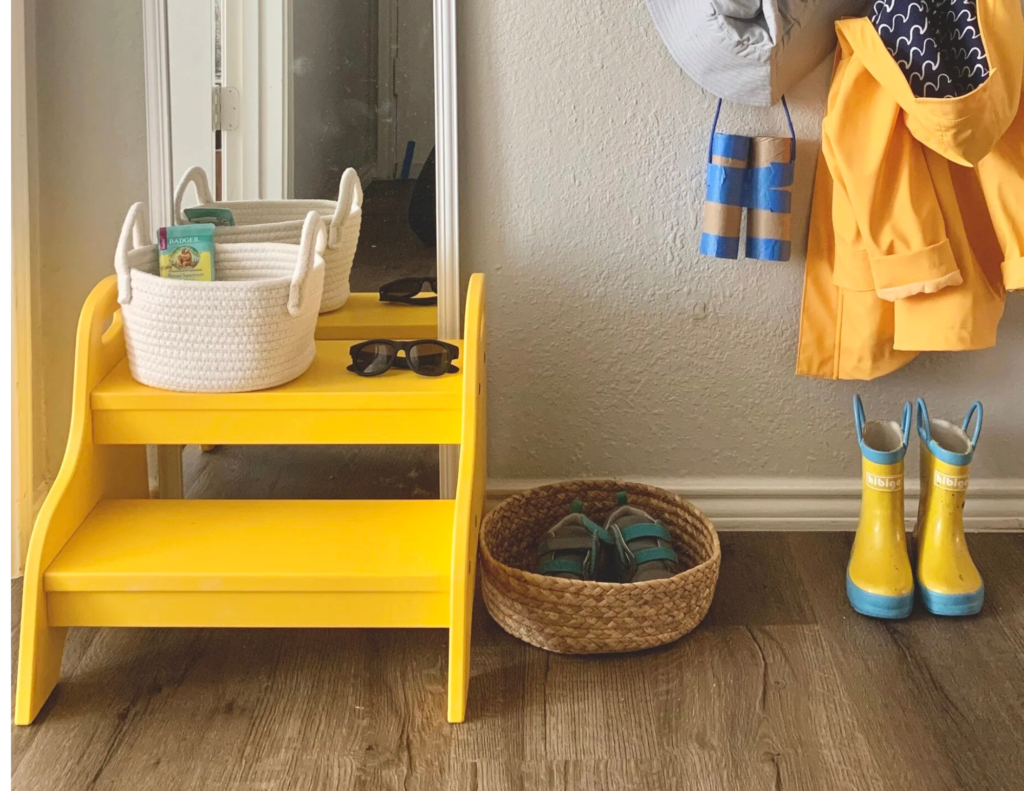
The physical environment should reflect the child’s developmental stage, size, abilities, and the family’s culture and values. Clearly defined places for belongings, safe and uncluttered floors, accessible furniture, and predictable routines all contribute to independence. When a child knows where items belong and can reach them independently, reliance on adults decreases and confidence grows.
Movement, Language, and Real-Life Learning
Movement is inseparable from learning in early childhood. Gross motor development unfolds naturally when children have safe, open space and clothing that allows freedom. We do not teach a child to crawl or walk; we prepare the conditions that make movement possible. Strong gross motor development supports fine motor refinement, language acquisition, and emotional confidence.
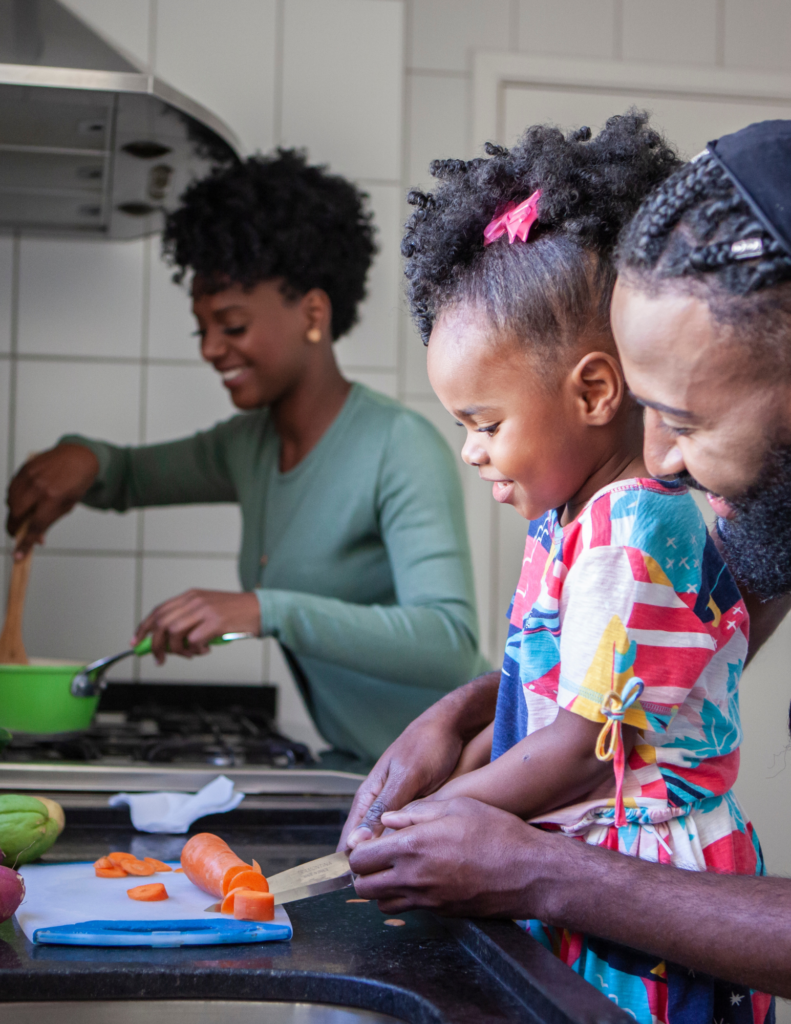
Language emerges most powerfully through real-life experience. Cooking together, gardening, walking outdoors, washing dishes, or folding laundry all provide rich vocabulary grounded in context. When adults narrate daily tasks using precise language, children absorb structure and meaning naturally. Life itself becomes the curriculum.
Observation and Partnership
Observation remains the adult’s most important tool. By pausing before intervening, we begin to see what the child is striving to master. We learn whether a struggle requires support or simply more time. Observation helps us design environments that serve development rather than adult convenience.
When home and school share core values—respect, order, independence, and trust—the child experiences consistency. This partnership strengthens development and creates a unified message: you are capable, you are valued, and you belong.
“We have to remember as adults that we want things done, and as quickly as possible, so that they are finished and out of the way; whereas the child is interested and content in the doing, not the done.”
-Margaret E. Stephenson, AMI Montessori Teacher Trainer
Independence develops gradually and over time. It cannot be rushed, but it can be nurtured. Often, small adjustments make a profound difference—a stool by the sink, a low hook for a coat, a slower morning routine.
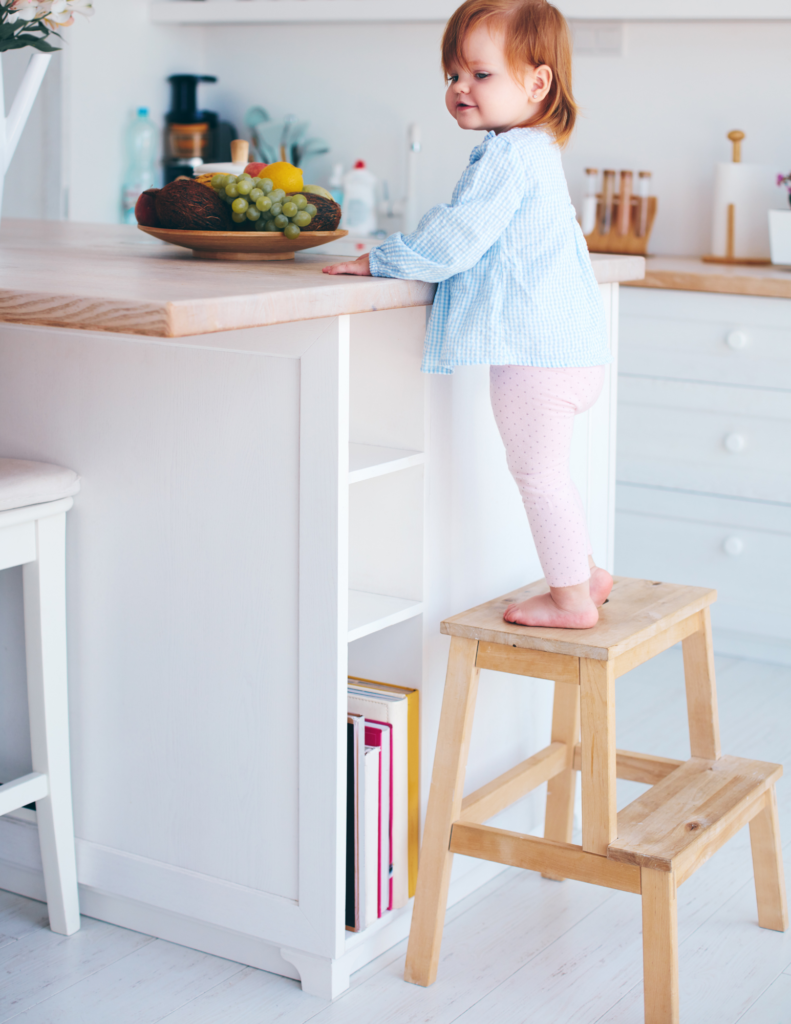
When we thoughtfully prepare the environment and trust the child’s natural drive toward growth, we provide the most favorable conditions for development. Montessori at home is not an added task or special curriculum. It is everyday life, approached with intention, respect, and deep trust in the child.
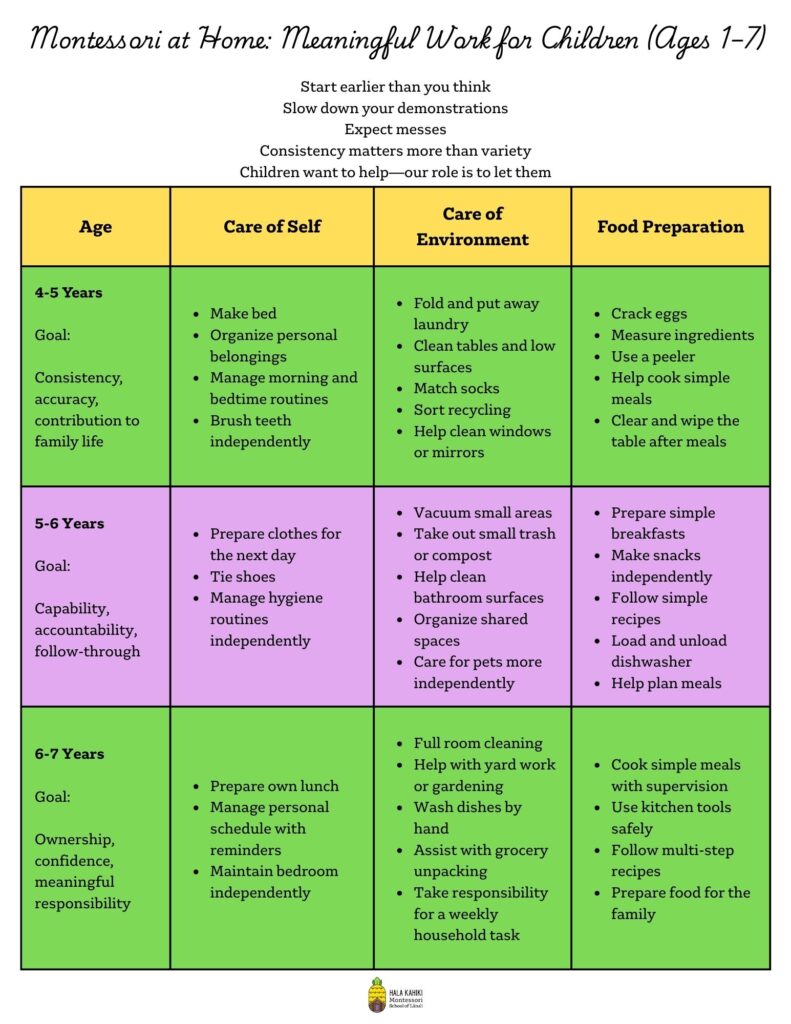
To Learn More:
- For Small Hands
A Resource for Families. Delight young children with real tools that let them handle real tasks "all by myself!" - The Montessori Notebook Podcast
S2 E11 Montessori at Home - Resource Library | Association Montessori Internationale
A collection of useful resource materials to demonstrate the value of the approach and build an understanding of Montessori education
About Hala Kahiki
Designed for children 18 months – 6 years, Hala Kahiki is the first and only authentic Montessori school on Lāna’i. Under the guiding influence of specially trained teachers, children work with multi-sensorial materials to help them learn to think critically and become well-rounded global citizens. We would love to partner with you to give your children the best-possible early childhood education; please let us know how we can help you achieve your goals for your child.