
As the natural world moves into full bloom, children turn their attention to flowers, plants, and insects—observing, caring for, and connecting with living things. Through this work, they are not only building coordination and concentration, but also beginning to understand an important truth: that growth is a process, and change is a natural part of life.
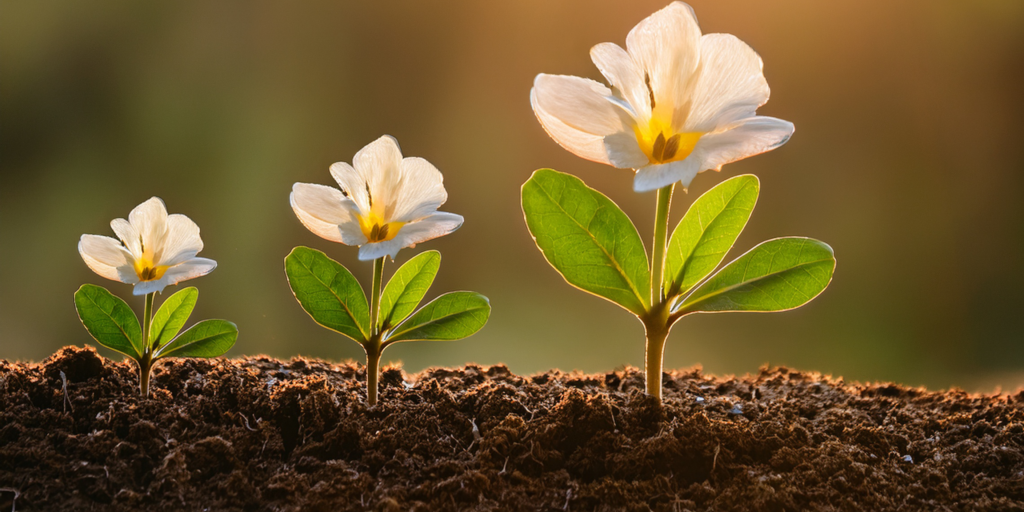
In the Montessori prepared environment and beyond, these seasonal shifts offer a living metaphor. Just as plants move through cycles of budding, blossoming, and renewal, so too do the children experience their own cycles of growth—forming relationships, gaining independence, and gradually preparing for what comes next.
As we approach the end of the school year, this idea becomes especially meaningful. This season often brings transitions—saying goodbye to beloved teachers, cherished friendships, and familiar daily rhythms. For young children, these moments can feel especially significant. Their sense of security is closely tied to consistency, relationships, and predictability, and when something changes, they may not always have the words to express what they feel.
Within the school environment, children are supported through honest, simple conversations about what is happening, along with space to process emotions in their own way. Consistent classroom routines continue to provide a sense of grounding and stability. Children may respond to these transitions in a variety of ways—through repeated questions, big emotions, quiet reflection, or even seeming unaffected. Each response is a natural and valid part of processing change.
At the same time, these goodbyes offer an opportunity to practice gratitude. Children are gently guided to reflect on the relationships they have built—the care they have received, the friendships they have formed, and the shared experiences that have shaped their days. In doing so, they begin to understand that while people and circumstances may change, the connections they have made remain meaningful and lasting.
Supporting Children Through Goodbyes
Families can help ease this transition with a few simple, supportive practices at home:
- Use clear, simple language – Share what is happening in a straightforward way. Clear communication helps children feel secure.
- Acknowledge feelings – Whether a child feels sadness, excitement, or uncertainty, all emotions are valid and worthy of recognition.
- Allow time to process – Children often revisit big changes through play, storytelling, drawing, or repeated conversations.
- Maintain consistent routines – Predictable rhythms at home provide comfort and stability during times of change.
- Create meaningful goodbye rituals – Making a card, sharing memories, or marking a final day can help bring a sense of closure.
- Talk about what comes next – Gently introduce upcoming changes while honoring what is ending.
- Focus on continuity – Remind children of the constants in their lives—their home, family, and community.
- Model calm reassurance – Children look to adults for cues. A grounded, steady presence helps them feel safe.
Through shared experiences—songs, stories, celebrations, and moments of gratitude—children participate in meaningful expressions of connection and community. These experiences help hold the emotions that come with both endings and new beginnings. In many ways, the act of saying goodbye becomes an important piece of their social and emotional development, offering practice in empathy, reflection, and care for others.
There is a tenderness to this time of year—a balance of joy, gratitude, and the quiet recognition that something meaningful is coming to a close. Spaces that once felt new are now filled with memories, confidence, and a sense of belonging. And while routines may shift and familiar faces may change, the growth that has taken place remains.
Within each goodbye, there is also the beginning of something new. With thoughtful support, children carry these experiences forward, building resilience, empathy, and a deepening sense of self. As a community, we honor both the endings and the beginnings, trusting in each child’s capacity to adapt, connect, and continue growing.
A hui hou—until we meet again.
About Hala Kahiki
Designed for children 18 months – 6 years, Hala Kahiki is the first and only authentic Montessori school on Lāna’i. Under the guiding influence of specially trained teachers, children work with multi-sensorial materials to help them learn to think critically and become well-rounded global citizens. We would love to partner with you to give your children the best-possible early childhood education; please let us know how we can help you achieve your goals for your child.