
In the past weeks, our island community has experienced the impact of a Kona-low—bringing heavy rain, strong winds, and major destruction to daily life across the Hawaiian Islands. As adults, we carry concern, logistics, and often worry. But for young children, these moments are processed very differently.
In a Montessori environment, we meet the child where they are—grounded in reality, guided by respect, and supported through connection. Here’s how we can thoughtfully talk with children about big events like this.
Start with What Is Real and Observable
Young children live in the present moment. Rather than overwhelming them with abstract explanations, begin with what they can see and experience.
You might say:
“There has been a lot of rain and wind. Some places have too much water, and people are working to stay safe.”
Keep language simple, concrete, and truthful. There is no need to introduce fear or speculation.
Follow the Child
Some children will ask questions. Others may not. Both responses are valid.
In Montessori, we trust the child’s inner guide. If they ask, answer simply and honestly. If they don’t, we don’t need to fill the silence with information they haven’t sought.
Observe changes in play, behavior, or emotional tone—this is often how young children process big experiences.
Protect the Child’s Sense of Safety
Children under six are in what Dr. Maria Montessori described as the absorbent mind—they take in everything from their environment, including adult emotions.
Even when circumstances feel uncertain, we can offer grounding:
“You/We are safe."
“It is my job to keep you safe.”
This reassurance is often more important than any explanation.
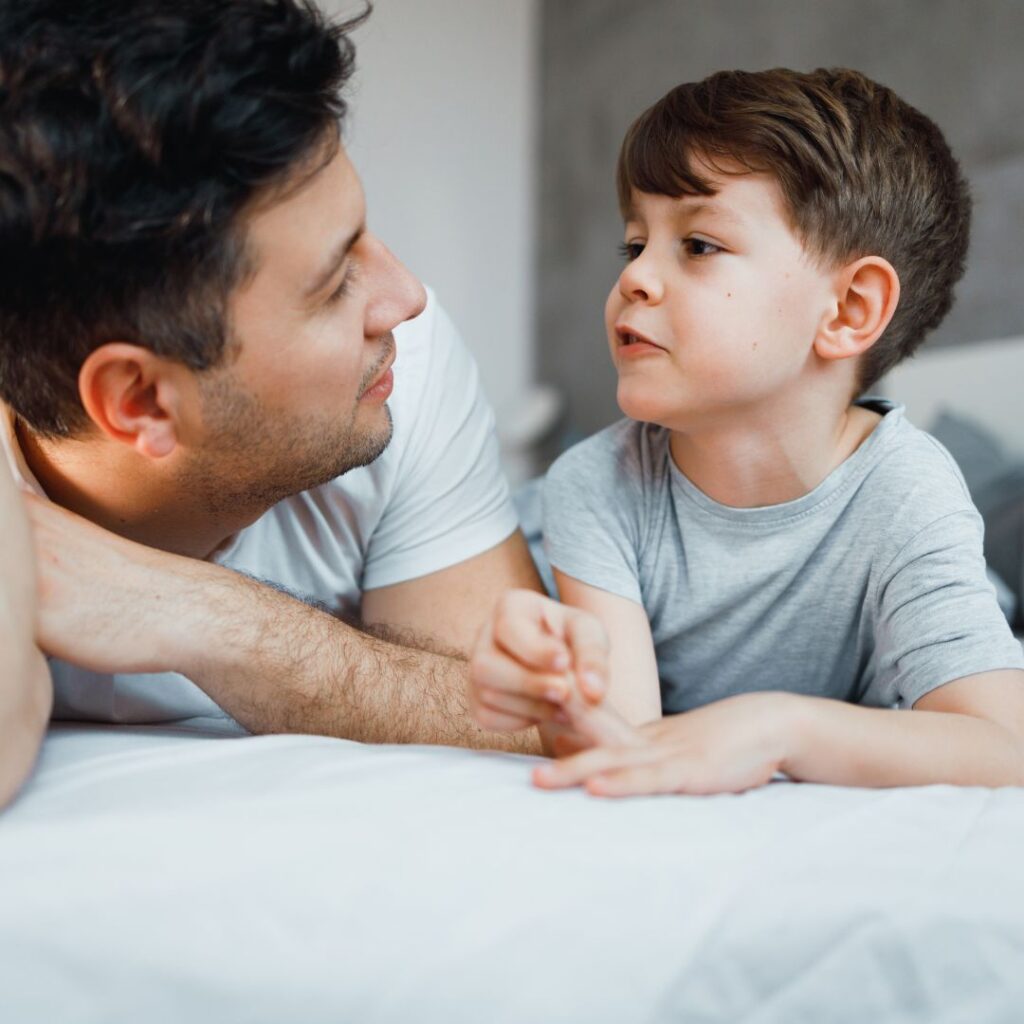
Limit Exposure to Adult Conversations and Media
Images, news coverage, and adult discussions can be overwhelming and confusing for young children. Whenever possible, keep these out of earshot.
Offer Ways to Help
Even very young children have a deep desire to contribute. This is where connection replaces fear.
As a school community, we will be holding a fundraiser in April to support our neighbors on Moloka‘i. This is a meaningful way for children to experience generosity and solidarity.
We frame it simply:
“Some families need help right now. We can help by sharing what we can.”
Emphasize Community and Interconnectedness
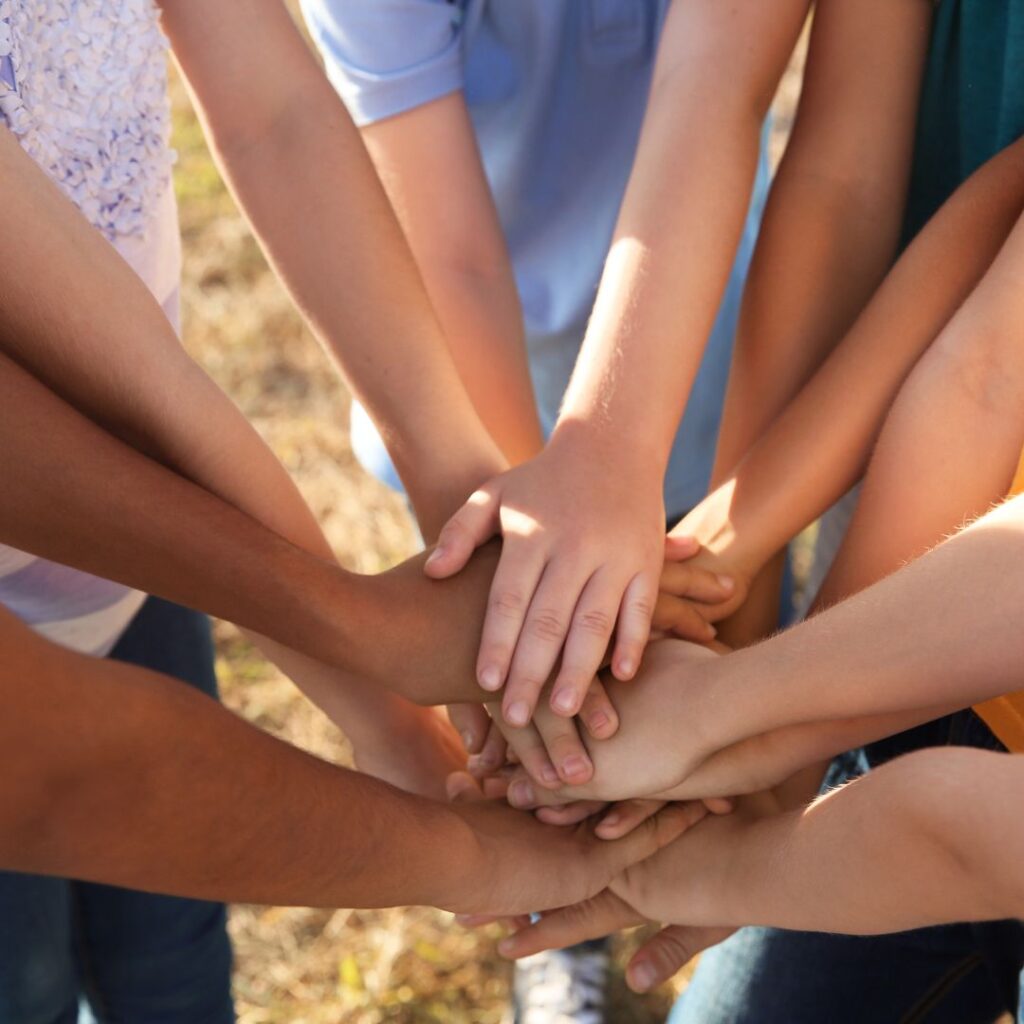
Montessori education is rooted in the understanding that we are all connected. Even young children can begin to grasp this through real, lived experiences.
You might say:
“Moloka‘i is one of our island neighbors. When they need help, we come together.”
This nurtures empathy without introducing fear.
This Approach Extends Beyond One Event
While we may be responding right now to the impact of a Kona-low, this way of speaking with children applies to many types of major events—natural disasters, community challenges, or even global events that affect people we know or care about.
Young children do not need detailed explanations of complex world issues. What they need is a framework:
- Honest, simple language
- Emotional safety and reassurance
- Protection from overwhelming information
- Opportunities to participate in helping
Whether the event is happening on Lāna’i, on neighboring island community, or across the world, the message remains consistent:
People sometimes go through hard things, and communities come together to help.
When events impact our neighbors—near or far—we have a unique opportunity to model compassion in action. Children begin to understand not just that difficulties exist, but that they are part of a larger human community that responds with care.
Return to the Work of Childhood
After moments of discussion or connection, children need to return to their work—their play, their concentration, their exploration.
This is not avoidance. It is integration.
The rhythm of the child—play, movement, opportunities for maximum effort, creativity and connection—offers children exactly what they need to process and regulate.
A Gentle Closing Thought
Big events remind us of both vulnerability and strength. For young children, what matters most is not the event itself, but the presence of calm, grounded adults and a community that responds with care.
By offering truth in simple language, protecting their sense of safety, and inviting them into meaningful acts of helping, we support not only their understanding—but their developing sense of belonging in the world.
And in that, there is both resilience and hope.

“This is education, understood as a help to life; an education from birth, which feeds a peaceful revolution and unites all in a common aim, attracting them as to a single centre. Mothers, fathers, politicians: all must combine in their respect and help for this delicate work of formation, which the little child carries on in the depth of a profound psychological mystery, under the tutelage of an inner guide. This is the bright new hope for mankind.”
Maria Montessori | The Absorbent Mind, p. 15
About Hala Kahiki
Designed for children 18 months – 6 years, Hala Kahiki is the first and only authentic Montessori school on Lāna’i. Under the guiding influence of specially trained teachers, children work with multi-sensorial materials to help them learn to think critically and become well-rounded global citizens. We would love to partner with you to give your children the best-possible early childhood education; please let us know how we can help you achieve your goals for your child.